Roof rejuvenation is designed to address specific, surface-level effects of asphalt shingle aging on a roof that is otherwise structurally sound. It is not designed to repair leaks, fix rotted decking, replace missing shingles, or reverse structural damage. Whether it "works" depends entirely on whether it's being applied to the kind of roof it's meant for.
This isn't a marketing question with an easy yes. A treatment applied to the right roof, in the right condition, does what it's meant to do. The same treatment applied to a roof with underlying problems it isn't designed to fix won't produce a good result, because it was never the right tool for that job.
Here's an honest breakdown of what rejuvenation is built to do, what it can't do, and how to tell which category your roof falls into.
What roof rejuvenation is designed to do
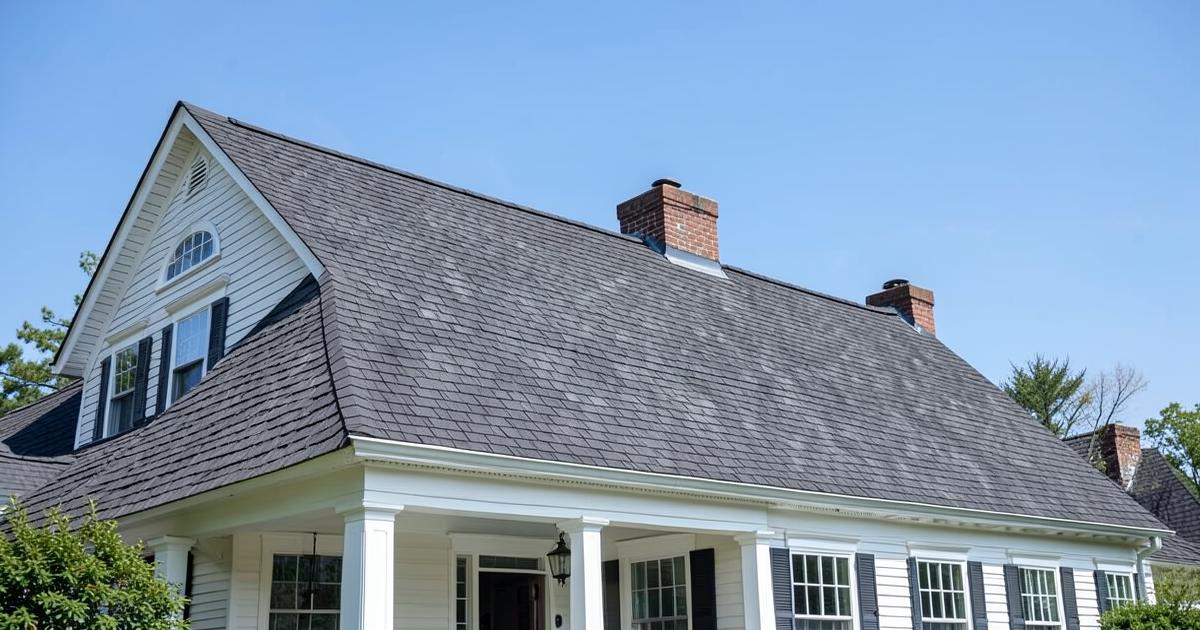
Rejuvenation treats the surface condition of aging asphalt shingles that are still structurally intact. It's aimed at shingles that have gone through UV exposure and weathering over years and are showing it: graying or fading, dryness, and reduced flexibility at the surface. It's applied to shingles that are still doing their job as a roofing system, but showing the wear you'd expect from age.
What it cannot repair
Rejuvenation is not a repair for physical damage. It cannot replace shingles that are missing, put back granules that have already washed away in bulk, or fix a shingle that is cracked through. It doesn't repair flashing, doesn't address structural deck issues, and isn't a leak-sealing product. If a shingle or the roof system underneath it is physically compromised, a surface treatment doesn't change that.
Shingle condition matters
There's a meaningful difference between a shingle that's aged and dried out but intact, and a shingle that has already cracked, curled severely, or lost its structural integrity. Rejuvenation is intended for the former. A shingle that's already broken down physically is past the point where a surface treatment is the appropriate response - at that stage, the shingle itself needs to be replaced, which usually points toward a full roof replacement rather than a spot fix.
Granule retention
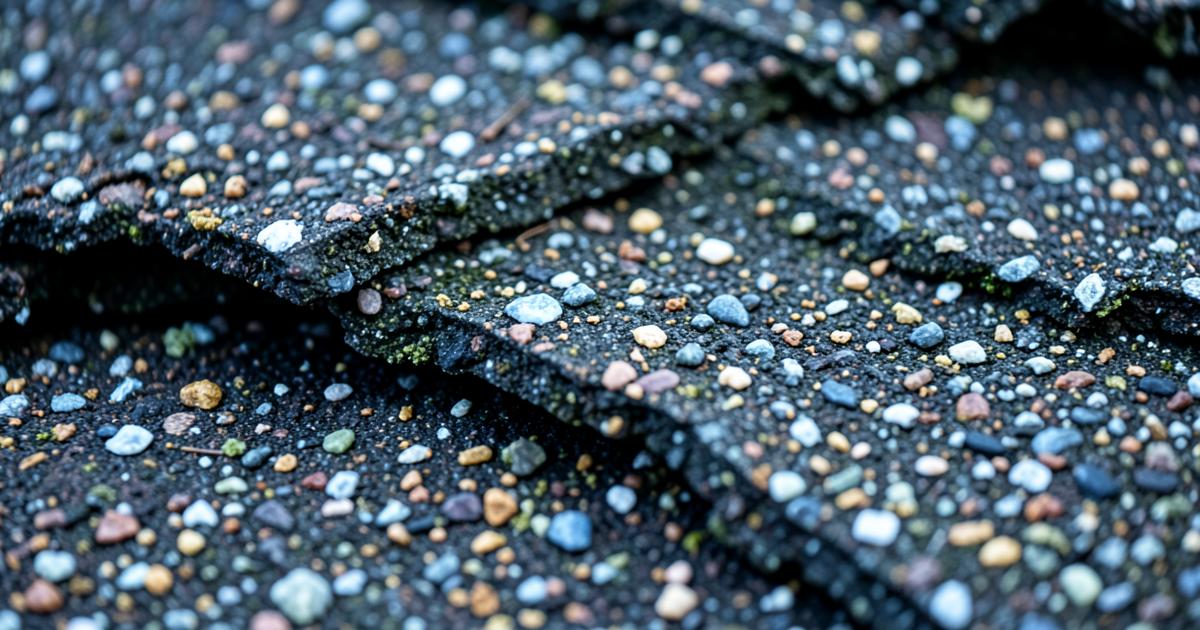
Granule loss is one of the visible signs of an aging shingle, and it happens naturally over the life of asphalt shingles as the surface weathers. Rejuvenation is aimed at the shingle surface at a point where granule loss is present but not severe - it isn't a fix for a shingle that has already shed most of its granules and is showing bare, exposed asphalt underneath. That level of granule loss usually indicates a shingle nearing the end of its service life.
Brittleness and flexibility
Part of what an inspector checks before recommending rejuvenation is how the shingles respond to being handled: whether they still have some flexibility or whether they've become brittle enough to crack when lifted or flexed. Brittle shingles that break easily are a sign the roof has moved past the stage where a surface treatment is appropriate.
Leaks and structural problems
If a roof has an active leak, rejuvenation is not the answer, because it doesn't address whatever is actually letting water through - whether that's a failed shingle, damaged flashing, or a deck issue. The same is true for any structural problem: sagging, soft decking, or rot. These require repair or replacement, not a surface treatment, and applying rejuvenation to a roof with these problems would not resolve them.
When treatment is inappropriate
Beyond the specific conditions above, rejuvenation is generally inappropriate any time an inspection turns up a problem that a surface-level treatment can't reach: a compromised deck, a roof near or past the end of its realistic service life, or a roof that's already had extensive patch repairs. In those cases, recommending rejuvenation anyway wouldn't be honest - it would just delay a replacement decision without solving anything.
Manufacturer documentation
The honest bottom line
Roof rejuvenation works for what it's built to do: treating the surface of aging, structurally sound asphalt shingles. It does not work as a substitute for repair or replacement on a roof with leaks, structural damage, or shingles that have already failed. The question isn't really "does it work" in the abstract - it's whether your specific roof is the kind of roof it's designed for, and that's a question an inspection answers, not a sales pitch.
Key takeaways
Rejuvenation treats surface-level aging on structurally sound shingles - it is not a repair product.
It cannot fix missing shingles, cracked-through shingles, active leaks, or structural deck damage.
Shingle flexibility and granule retention at the time of inspection determine whether treatment is appropriate.
Applying rejuvenation to a roof with underlying problems will not resolve those problems.
Manufacturer documentation should back any claims about performance - see the placeholder above pending verified specs.
Frequently asked questions
Will rejuvenation stop my roof from leaking?+
No. If a leak is present, it's coming from a failure somewhere in the roofing system - a shingle, flashing, or the deck - and that needs to be repaired or replaced, not treated.
Can rejuvenation restore severely brittle shingles?+
No. Rejuvenation is intended for shingles that are aging but still have some flexibility. Severely brittle shingles that crack when flexed have moved past the point where surface treatment is appropriate.
Does rejuvenation replace lost granules?+
It's intended to be applied while granule loss is present but not severe. It is not a fix for a shingle that has already lost most of its granules and is showing bare asphalt.
How do I know if my roof is a good candidate or not?+
A physical inspection is the only reliable way. An inspector checks shingle flexibility, granule condition, deck condition, and looks for active leaks or missing shingles.
Does the treatment come with a guarantee on how long it extends roof life?+
We don't state how many years a treatment adds to a roof's life, since that depends on the specific roof and conditions. Ask us about manufacturer documentation for the specific product used.
Want an honest read on whether rejuvenation fits your roof?
We'll inspect your roof and tell you plainly whether it's a good candidate.
Roof Vital assesses aging asphalt shingle roofs across Southern Maine, Central Maine and Southern New Hampshire, and recommends rejuvenation only where the roof's condition supports it. Articles here are written and reviewed by the Roof Vital team.