Roof rejuvenation··4 min read
How Much Does Roof Rejuvenation Cost?
Roof rejuvenation is priced by square footage, complexity, and condition, not a flat rate. Here's what goes into the number and why an inspection comes first.
Homeowner decisions
By Roof Vital··5 min read
Roof rejuvenation and roof replacement are not competing versions of the same service. They solve different problems, and the right one depends on what condition your roof is actually in, not on which one sounds better or costs less.
Rejuvenation is a treatment applied to existing asphalt shingles that are aging but still structurally sound, intended to address dryness, discoloration, and surface wear without removing the roof. Replacement means tearing off the existing roofing system and installing new shingles, and sometimes new decking, from scratch.
The short version: rejuvenation is for a roof that is aging but intact. Replacement is for a roof that has failed, is failing, or has damage that a surface treatment cannot fix. An inspection is what actually separates the two, not the homeowner's guess or the roof's age alone.
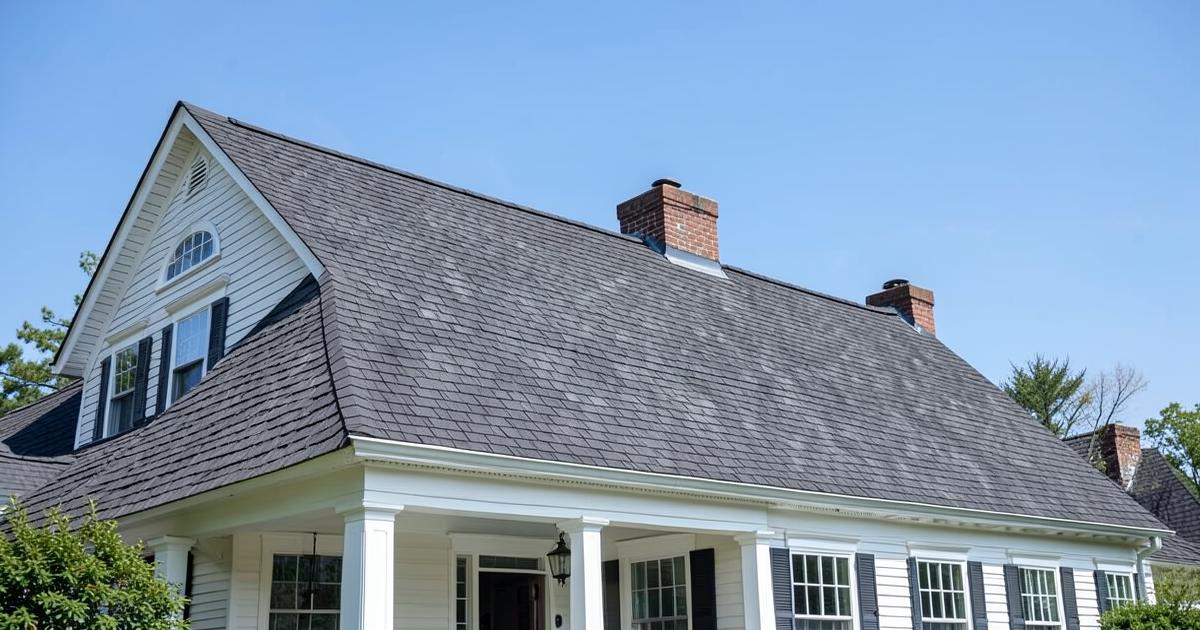
Roof rejuvenation is a treatment applied to the surface of existing asphalt shingles. It is designed for shingles that are past their fresh, factory-new state but have not failed structurally. The goal is to address the visible and functional effects of aging and UV exposure on the shingle surface, not to repair holes, replace missing shingles in bulk, or fix a compromised deck.
Because it works with the existing shingles, rejuvenation does not involve tear-off, dumpster rental, or a multi-day crew on the roof deck. It is a faster, less disruptive process, which is part of why it costs less than replacement. But that also means it only makes sense when the shingles underneath are still doing their job.
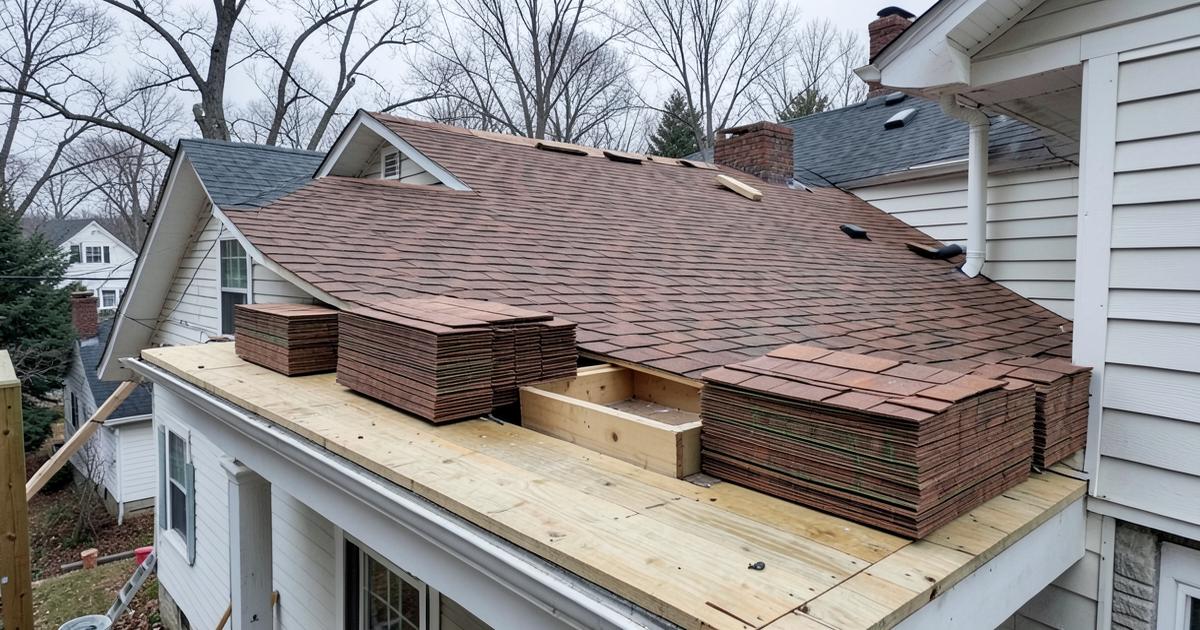
A full replacement removes the existing shingles (and often the underlayment) down to the decking, inspects and repairs or replaces damaged decking, and installs a new roofing system. It is the correct answer when the existing shingles or the deck beneath them have failed or are close to it.
Replacement resets the clock on the entire roofing system. It is more disruptive, takes longer, and costs significantly more than rejuvenation, but it is the only option once a roof has genuine structural or widespread material failure.
Rejuvenation is a fraction of the cost of a full tear-off and replacement, because it does not involve removing and disposing of the old roof or installing new material. As a planning range, rejuvenation for a typical Maine single-family roof commonly runs about $3,000 to $5,000, while a full asphalt replacement commonly runs $15,000 to $30,000 or more depending on size and complexity. These are planning ranges, not quotes - your roof's size, pitch, and condition determine the real number.
The cost gap exists because the two services involve fundamentally different amounts of labor and material. It is not a discount version of the same job; it is a smaller job that only applies to a smaller set of roofs.
| Factor | Rejuvenation | Replacement |
|---|---|---|
| Best for | Aging but structurally sound roofs | Failed or failing roofs |
| Deck condition required | Sound, no rot or sagging | Any - deck is inspected and repaired as part of the job |
| Missing shingles | Not a fit if widespread | Addressed as part of the new install |
| Active leaks | Not appropriate if leak is in the roofing system | Resolved by new roofing system |
| Typical Maine planning range | $3,000-$5,000 | $15,000-$30,000+ |
| Disruption | Minimal, no tear-off | Full tear-off, multi-day project |
| Determined by | Physical inspection | Physical inspection |
Figures are planning ranges for a typical Maine single-family home and vary by roof size, pitch, and condition.
Roof age is a useful data point, but it is not the deciding factor on its own. Two roofs of the same age, in the same town, can be in completely different condition depending on ventilation, installation quality, sun exposure, and how well they have been maintained. Some 15-year-old roofs are already failing; some are still sound.
That is why the honest answer to "rejuvenation or replacement" starts with someone getting on the roof and the deck, checking the shingles for brittleness and granule loss, checking for soft spots and moisture at the deck, and checking for active leaks. Anyone who recommends one option without seeing the roof is guessing.
Key takeaways
Only if your roof actually qualifies. Rejuvenation is not a budget substitute for a roof that has failed; it is a different service for a different condition of roof.
No. If a leak is coming from the roofing system itself - failed shingles, flashing, or deck - that needs to be repaired or the roof replaced, not treated.
You need a physical inspection. Surface appearance alone (color, staining) doesn't tell you about deck condition or shingle brittleness underneath.
It's intended for aging, mid-life roofs that are still structurally sound. Very old or already-failing roofs are typically replacement candidates instead.
The underlying problems - rot, missing shingles, active leaks - won't be resolved, and you'll likely face the replacement decision again soon after, having spent money on a treatment that couldn't address the real issue.
We'll inspect your roof and tell you honestly whether it's a rejuvenation candidate or a replacement is the right call.
See if your roof qualifiesAbout the author
Roof Vital
Roof rejuvenation specialists, Portland, Maine
Roof Vital assesses aging asphalt shingle roofs across Southern Maine, Central Maine and Southern New Hampshire, and recommends rejuvenation only where the roof's condition supports it. Articles here are written and reviewed by the Roof Vital team.
More about Roof Vital →Roof rejuvenation··4 min read
Roof rejuvenation is priced by square footage, complexity, and condition, not a flat rate. Here's what goes into the number and why an inspection comes first.
Roof replacement & cost··5 min read
Roof replacement cost in Maine depends on far more than square footage. Here's what actually drives the price, and why two similar-looking roofs can cost very differently.
Roof rejuvenation··5 min read
Not every aging roof needs full replacement. Here are seven signs that a roof may be a reasonable candidate for rejuvenation, and why an inspection is still the only way to confirm it.