There is no single honest number for what a new roof costs in Maine. As a planning range, full asphalt shingle replacement commonly runs $15,000 to $30,000 or more, which works out to roughly $600 to $1,200 per roofing square. Where your project lands in that range - or outside it - depends on size, pitch, tear-off, decking condition, shingle choice, and access.
If you're getting quotes and seeing numbers that vary by thousands of dollars between contractors, that's usually not one contractor overcharging and another underpricing. It's usually two different roofs, or two different scopes of work, being described in similar language.
This guide walks through the variables that actually move the price, so you can look at a quote and understand what's driving the number instead of just comparing totals.
Roof size and squares
Roofing is priced by the square, which is 100 square feet of roof surface. A typical single-family home in Maine might have a roof in the range of 15 to 30 squares, but that varies widely with home size and roof design. More squares means more material and more labor, and it's the single biggest driver of total cost. Two homes with the same footprint can have very different roof areas depending on how many gables, dormers, and roof planes they have.
Roof pitch
A steep roof takes longer to work on safely, requires additional fall-protection setup, and slows down every part of the job from tear-off to installation. A low-pitch or walkable roof is faster and generally less expensive per square than a steep one. Pitch also affects which materials and underlayment approaches are appropriate, which can add to material cost on steeper designs.
Existing layers and tear-off
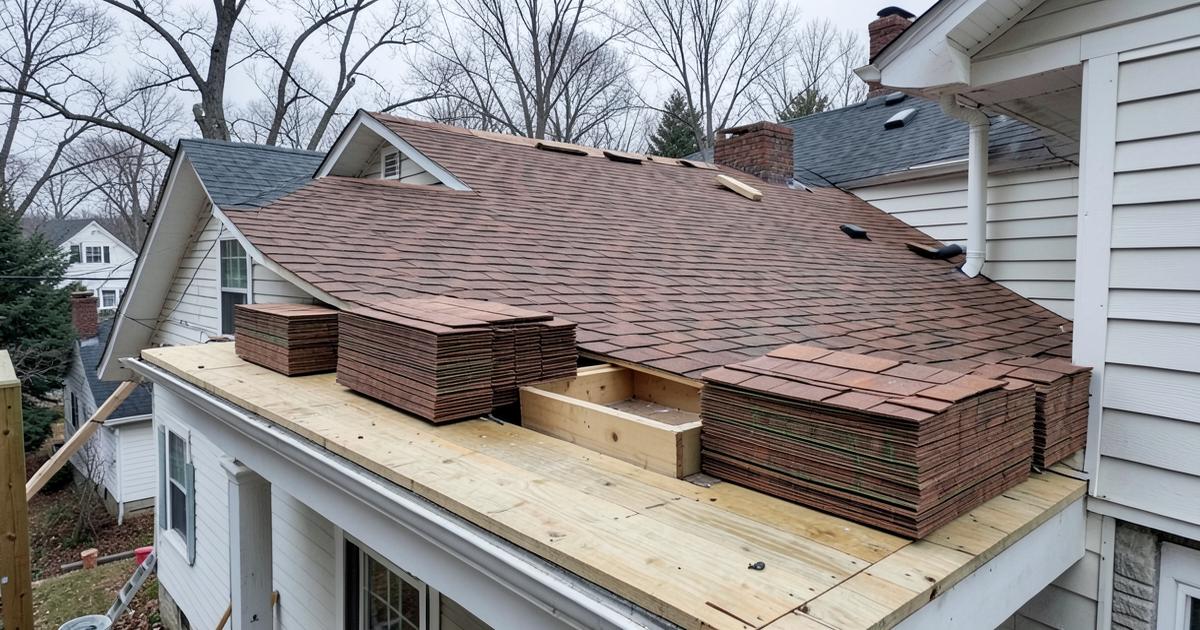
If your current roof has one layer of shingles, tear-off is more straightforward. If it has two layers - not uncommon on older Maine homes where a second layer was installed over the first - removing both takes more labor and produces more debris. Some jurisdictions and most manufacturers require going down to a single layer or bare deck before a new roof is installed, which affects labor time regardless of what's technically allowed.
Decking condition and replacement
Once the old shingles come off, the crew can see the actual condition of the roof deck for the first time. Soft, rotted, or water-damaged plywood or boards need to be cut out and replaced before new shingles go on - there's no way around this if you want the new roof to perform. Decking replacement is priced by the sheet and is one of the more common reasons a final invoice is higher than the initial estimate, because it often can't be fully assessed until tear-off is underway.
Shingle choice
Asphalt shingles come in a range of product lines and price points, from standard three-tab and architectural shingles up through heavier, higher-end laminated products. Material cost per square varies meaningfully between these tiers. Warranty length, wind rating, and appearance all factor into which product fits a given home and budget - but we'd rather point you to the specific product lines your contractor offers than invent generic pricing tiers here.
Access, chimneys, skylights, and complexity
A simple rectangular roof with easy ground access is faster and cheaper to work on than a roof with multiple valleys, dormers, chimneys, skylights, and tight or obstructed access for equipment and material staging. Every penetration through the roof - a chimney, vent stack, or skylight - needs new flashing work, which adds labor. Homes on tight urban lots in places like Portland or South Portland, where a dumpster and material delivery have to be carefully staged, can also see access-related cost differences compared to a rural property with a wide-open yard.
Labor and disposal
Labor is priced around the complexity and time factors above: pitch, access, layers, and decking work all add hours. Disposal is a real, separate cost - old shingles and underlayment are heavy, and a dumpster or trailer for hauling debris away is part of nearly every tear-off and replace job. None of this is padding; it's what it actually takes to remove an old roof and install a new one correctly.
Why estimates from different contractors vary
When two quotes for the same house come in far apart, the difference is usually in scope, not just markup. One estimate might include full decking replacement as a contingency and the other might not. One might use a heavier shingle line. One might account for two layers of tear-off and the other might assume one. Ask each contractor to itemize what's included - squares, layers assumed, decking allowance, shingle product, and disposal - so you're comparing the same job twice, not two different jobs.
When rejuvenation is worth considering instead
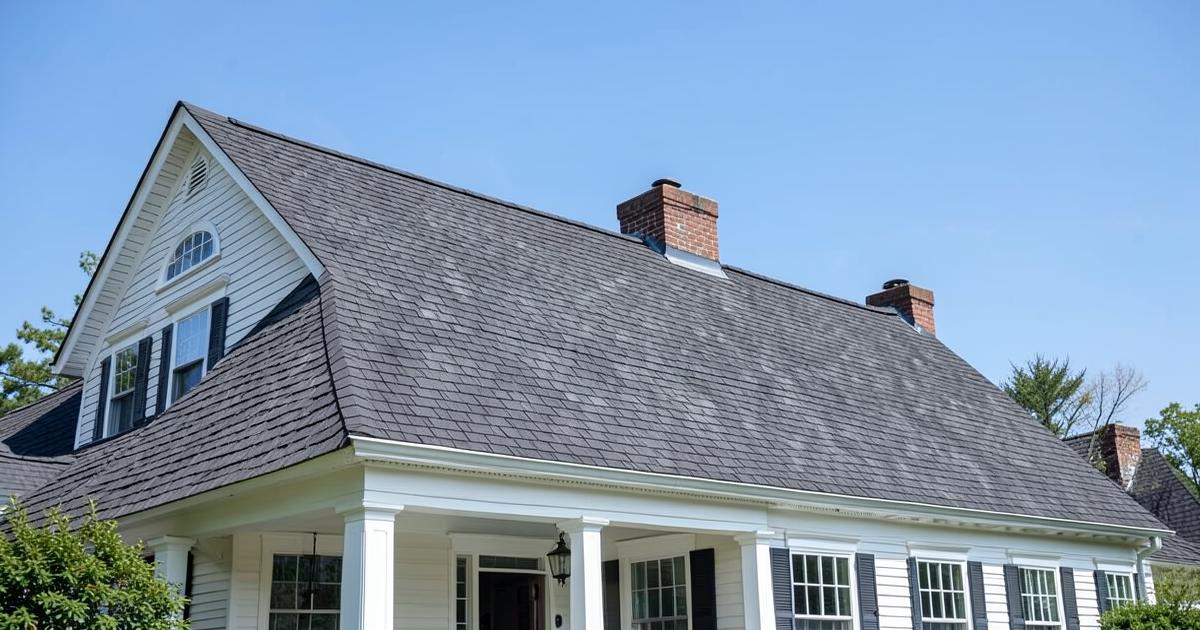
Not every aging roof needs a full replacement. If your shingles are showing their age - graying, some granule loss, algae staining - but the deck is sound, there are no active leaks, and shingles aren't missing or badly cracked, your roof may be a candidate for rejuvenation instead of replacement. As a planning range, rejuvenation for a typical Maine home commonly runs $3,000 to $5,000, a fraction of a full replacement, because it treats the existing shingles rather than tearing off and rebuilding the roof. It only applies to roofs in the right condition, which is why an inspection is the starting point either way.
Key takeaways
As a planning range, full asphalt replacement in Maine commonly runs $15,000-$30,000+, or roughly $600-$1,200 per square.
Size, pitch, number of existing layers, decking condition, shingle choice, and access all move the price.
Decking condition often isn't fully known until tear-off begins, which is why estimates can change.
Compare quotes by scope - squares, layers, decking allowance, shingle line, disposal - not just the total.
A roof that's aging but structurally sound may be a rejuvenation candidate at a fraction of replacement cost.
Frequently asked questions
Why did my roof replacement quote change after the crew started?+
Usually because deck condition wasn't fully visible until tear-off. Rotted or damaged decking found underneath the old shingles has to be replaced before installing a new roof, and that's priced separately from the base estimate.
Is a cheaper quote always a worse roof?+
Not necessarily, but it's worth checking what's included. A lower number sometimes reflects a lighter shingle product, no decking allowance, or an assumption of a single tear-off layer. Ask for an itemized scope.
Does roof pitch really change the price that much?+
Yes. Steep roofs require more safety setup and slow down every stage of the work, which adds labor hours regardless of the roof's square footage.
Should I get multiple quotes?+
Yes, and ask each contractor for the same level of detail: squares, tear-off layers assumed, decking allowance, shingle product, and disposal, so you can compare like for like.
Is replacement always the right move for an aging roof?+
Not always. If the deck is sound and there are no active leaks or widespread missing shingles, rejuvenation may be worth evaluating as a lower-cost option. An inspection will tell you which category your roof falls into.
Want a clear answer on your roof, not just a range?
We'll inspect your roof and walk you through what's actually driving your cost, and whether rejuvenation might be an option worth considering first.
Roof Vital assesses aging asphalt shingle roofs across Southern Maine, Central Maine and Southern New Hampshire, and recommends rejuvenation only where the roof's condition supports it. Articles here are written and reviewed by the Roof Vital team.