
Roof rejuvenation··5 min read
Does Roof Rejuvenation Really Work?
Roof rejuvenation does real, specific things for the right roof. It also has real limits. Here's an honest look at both sides.
Roof rejuvenation
By Roof Vital··5 min read
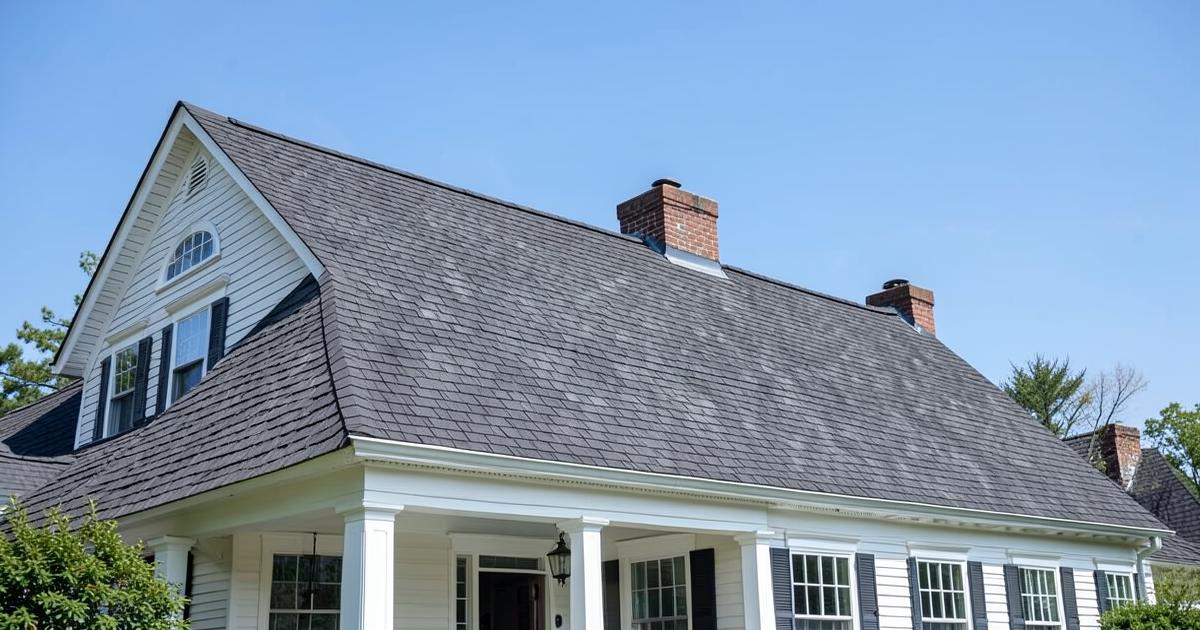
Roof rejuvenation is a maintenance option designed for roofs that are aging but not yet failing. It's not a fix for every roof, and it's not a substitute for replacement once a roof has passed a certain point of wear. The question most homeowners actually want answered is simpler: does my roof fall into the window where rejuvenation makes sense, or has it already moved past that?
There isn't a single test that answers that on its own. Instead, a handful of observable conditions tend to show up together on roofs that are reasonable candidates: shingles that are aging but still structurally intact, moderate rather than severe granule loss, no significant active leaks, and a deck underneath that's still sound. None of these signs by itself is a guarantee, but seeing several of them together is a reasonable reason to have the roof looked at.
Below are seven signs worth checking for. If your roof shows a mix of these, it may be worth an inspection to find out for certain — which is the only way to know either way.
Roofs somewhere in the middle third of their expected service life — old enough to show wear, but not old enough to be falling apart — are the roofs most often considered for rejuvenation. If your roof still looks generally intact from the ground and up close, with no missing shingles or widespread curling, that's a starting point worth a closer look.
Over time, asphalt shingles lose the oils that keep them flexible. A shingle that has started to feel stiff or that shows small surface cracks when flexed slightly is exhibiting a classic sign of age-related drying out. This is one of the specific conditions rejuvenation treatments are designed to address, but it needs to be caught before the shingle mat itself has cracked through or become structurally compromised.
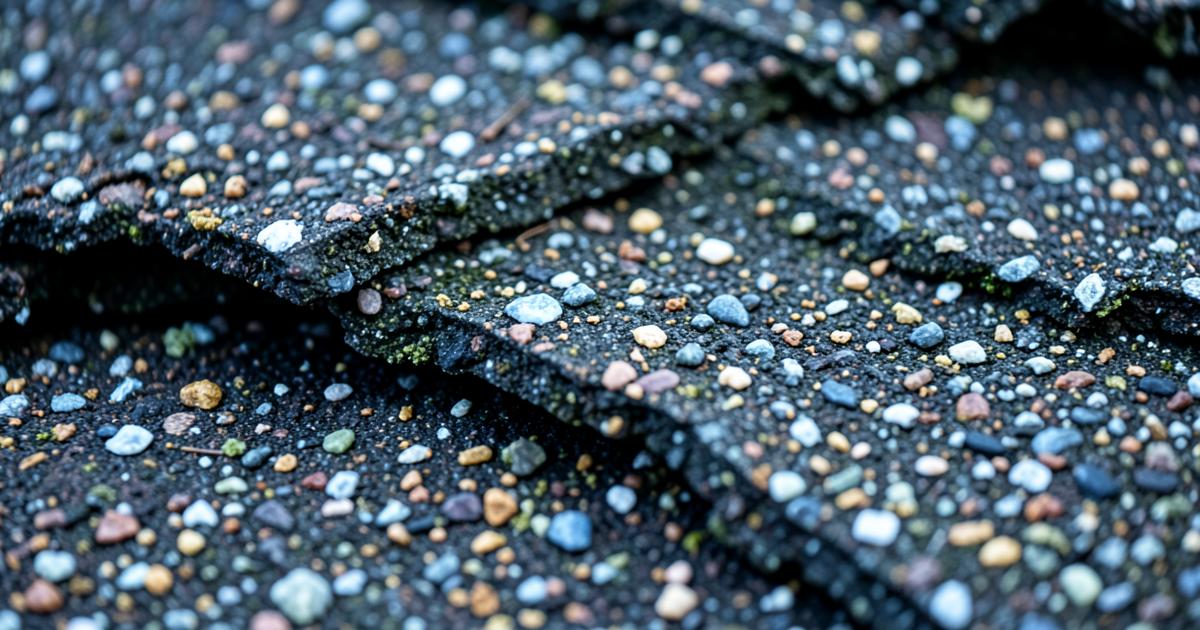
Some granule loss is normal on any aging roof — a light, even amount in the gutters after a storm doesn't mean much on its own. What matters for rejuvenation candidacy is the degree: are there just a few bald patches showing black asphalt underneath, or is the shingle surface widely stripped down across large sections of the roof? Moderate, scattered granule loss is a more favorable sign than heavy, widespread loss.
A roof that is currently leaking, especially in multiple spots, is signaling a problem that needs to be diagnosed and often repaired before anything else. Rejuvenation is a surface and material-condition treatment; it isn't designed to seal an active leak path or replace a compromised flashing detail. A roof with no current leak history is a better fit for this kind of evaluation.
This is one an inspector has to verify directly, often by checking for soft spots, sagging, or signs of water staining from the attic side. A roof with a compromised deck needs structural repair or replacement regardless of what the shingles look like on the surface, because rejuvenation doesn't address anything below the shingle layer.
A handful of missing or badly damaged shingles in one section, while the rest of the roof looks fine, is a different situation than a roof failing broadly and uniformly. Widespread missing shingles, exposed underlayment, or shingles that have blown off in multiple areas point toward replacement rather than rejuvenation.
This sign ties the others together. A roof that's showing normal wear for its age, has an intact and sound deck, isn't leaking, and hasn't reached widespread material failure is generally still short of the point where full replacement is the only reasonable option.
Every one of these signs is something a trained inspector needs to confirm in person. Granule loss that looks moderate from the ground can be more severe up close. A deck that looks fine from the attic can have a soft spot near a valley that's easy to miss without walking the roof. Rejuvenation candidacy depends on the actual condition of your specific roof, and that's not something that can be reliably determined from a photo or a general description.
Key takeaways
You can spot some early signs, like visible granule wear in gutters or obvious shingle damage, but confirming candidacy requires a closer, hands-on inspection of the shingles and roof deck.
It depends on the cause and extent. A minor, localized issue that gets repaired first may still leave the roof a reasonable candidate. Widespread or unresolved leaking generally does not.
Age alone isn't the deciding factor. Roofs are typically considered when they show moderate, age-related wear rather than early-life condition or advanced failure, regardless of the exact year count.
A few isolated missing shingles may be repairable before an evaluation. Widespread missing shingles across multiple roof sections usually point toward replacement instead.
Rejuvenation for a typical Maine single-family roof generally runs in the $3,000-$5,000 range, compared to $15,000-$30,000+ for full replacement, but the right option depends on your roof's actual condition, not price alone.
An inspection gives you a straight, honest answer based on your roof's actual condition.
See if your roof qualifiesAbout the author
Roof Vital
Roof rejuvenation specialists, Portland, Maine
Roof Vital assesses aging asphalt shingle roofs across Southern Maine, Central Maine and Southern New Hampshire, and recommends rejuvenation only where the roof's condition supports it. Articles here are written and reviewed by the Roof Vital team.
More about Roof Vital →